This is default featured slide 1 title

Go to Blogger edit html and find these sentences.Now replace these sentences with your own descriptions.This theme is Bloggerized by Lasantha Bandara - Premiumbloggertemplates.com.

This is default featured slide 2 title

Go to Blogger edit html and find these sentences.Now replace these sentences with your own descriptions.This theme is Bloggerized by Lasantha Bandara - Premiumbloggertemplates.com.

This is default featured slide 3 title

Go to Blogger edit html and find these sentences.Now replace these sentences with your own descriptions.This theme is Bloggerized by Lasantha Bandara - Premiumbloggertemplates.com.

This is default featured slide 4 title

Go to Blogger edit html and find these sentences.Now replace these sentences with your own descriptions.This theme is Bloggerized by Lasantha Bandara - Premiumbloggertemplates.com.

This is default featured slide 5 title

Go to Blogger edit html and find these sentences.Now replace these sentences with your own descriptions.This theme is Bloggerized by Lasantha Bandara - Premiumbloggertemplates.com.

ads

Saturday, December 2, 2023

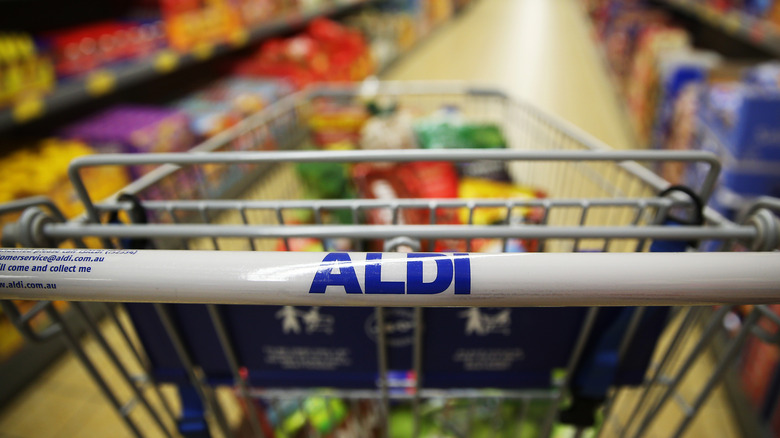
Is Aldi Open On New Year's Day 2024?

The holidays are such a busy time that you're bound to forget something from the grocery store. If you need something on New Year's Day 2024, will Aldi be open?


from The Daily Meal https://ift.tt/UGQgSTN

What It Means If Your Costco Rotisserie Chicken Is Cheaper Than Usual

While the price of your groceries may have increased lately, Costco's rotisserie chickens remain the same. Sometimes you may even bag a bargain. Here's why.


from The Daily Meal https://ift.tt/759cB6Q

Everything We Know About The History Of Crab Cakes

Crab cakes are made by mixing pieces of crab meat with associated fillers such as breadcrumbs, binding agents like egg yolks, and seasonings to form a patty.


from The Daily Meal https://ift.tt/hrF6mTR

Friday, December 1, 2023

The Unexpected Boozy Addition You Need For Elevated French Toast

Boozy foods are nothing new, but alcohol is being added to more foods to enhance flavor. Try the unexpected boozy addition you need for elevated French toast.


from The Daily Meal https://ift.tt/o4vxXDM

How Fast You Need to Walk to Get Real Health Benefits

Walking is one of the more accessible forms of exercise. Not only can you do it without special equipment or memberships, you may even already get your steps in without formally considering it to be a workout. But how fast do you have to walk for it to “count” toward improving your health? New research may have an answer. 

The meta-analysis, published this week in the British Journal of Sports Medicine, compared the risk of type 2 diabetes for people who walked at different speeds. (In many cases, people were asked to report how fast they walked; in others, they wore activity trackers like Fitbits or completed a timed walking test at a clinic visit.) Here’s how they categorized the various walking speeds: 

  • Easy or casual walking: less than 2 miles per hour (30:00 per mile)

  • Average or normal walking: 2-3 miles per hour (20:00-30:00 per mile). This corresponds to the 3 mph that Google Maps uses to estimate travel time when they give you walking directions.

  • Fairly brisk walking: 3-4 miles per hour (15:00-20:00 per mile)

  • Brisk/striding walking: 4 miles per hour or faster (15:00 per mile)

Many people find that 4 miles per hour is about the fastest they can walk without breaking into a run. (This will, of course, depend on personal factors like how long your legs are.) 

In this analysis, people who walked at an average or “fairly brisk” pace were less likely to develop type 2 diabetes later. (The average follow-up time period was eight years.) The faster people walked, the better, with brisk/striding walking being associated with a 39% lower risk of type 2 diabetes compared to easy or casual walking.

Based on these results, you'd want to walk faster than 2 miles per hour, if you can. (2.5 miles per hour is the speed that's usually considered to count as "moderate" intensity exercise.) But the authors note that their results are of “low to moderate certainty, mainly from studies with a high risk of bias,” which means we might need to take them with a grain of salt.

Why does walking speed matter?

This isn’t the first study to compare walking speed to health outcomes. Previous studies have found that people who walk faster are less likely to have strokes, to die of cardiovascular disease, or to develop cognitive decline or dementia. 

But does walking protect you, or is it just a sign that you’re already healthy? Possibly both. 

A group of physical therapists wrote in a 2015 review that “Not only is [walking speed] indicative of an individual’s functional capacity and general health status, the measure has been shown to be predictive of a range of outcomes, including response to rehabilitation, functional dependence, frailty, mobility disability , cognitive decline, falls, institutionalization, hospitalization, cardiovascular-related events and mortality, as well as all-cause mortality.”

In other words, it’s possible that walking speed is just a stand-in for overall health. If you’re too sick to walk very fast, your health may already be declining. But we also know that exercising is good for your health, and that exercising tends to make you better at exercising. 

Walking is cardio, after all, if you walk at an appropriate speed. If you don’t get much exercise, a normal walking speed of 2.5 miles per hour is enough to count as “moderate” exercise (the kind we should all do for at least 150 minutes a week, or about 20-30 minutes per day). Jogging or fast walking can count for some of your “vigorous” exercise minutes, which count double. 

Ultimately, we don’t have a perfect way to measure the amount of exercise necessary for health. Step counting has been a favorite because it’s easy to measure with a pedometer, a smartwatch, or even by keeping your phone in your pocket. Walking speed helps here, too: the faster you walk, the more steps you’ll get in. 

But still: we already know that 10,000 steps is a bullshit goal; the number of steps you need to improve your health ranges from 2,800 to 9.800, depending on which study you’re reading and how they defined their health-related outcomes. Most medical and fitness professionals will tell you that the more you can walk, the better—and that if you currently walk slowly, you’ll likely be able to walk faster as you become fitter. 


from LifeHacker https://ift.tt/8ixq0y9

Thursday, November 30, 2023

These Are The Best Ways to Save Money When Renting a Car

The holiday travel season is in full swing and more people are hitting the roads than ever, so if you haven't already reserved your own rental car, it's time to do so.

We've written before about why you should book your rental car early to lock in your rate, because you can (usually) cancel and rebook with no penalty if prices drop. But regardless of when you reserve and how rates fluctuate, there are a number of strategies for saving money on both base rates and fees (such as upcharges for young or additional drivers) when you book so you don't wind up blowing your whole travel budget on your rental car.

Shop around for the cheapest rate—and get creative about it

You should obviously compare prices across rental companies to get the cheapest option, especially if you aren't a member of any loyalty programs, and include rental car alternatives like Turo and Getaround. AutoSlash tracks rental car rates—for free—so you can set up an alert for your reservation.

But go one step further than just comparing companies. your rental company has multiple locations in your area—both in-town and at the airport, for example—check for price differences if you pick up and drop off at one versus another. Downtown pickup is cheaper on average than airport locations, according to NerdWallet. However, you should also factor in convenience (taking a rideshare to a location further away could offset any savings) and business hours, as well as available inventory and one-way fees if you pick up at one location and drop off at another.

Sign up for a membership club with an auto discount

AAA is perhaps the best-known auto club to offer car rental discounts, but there are a handful of membership programs with similar perks:

  • AARP: up to 30% off base rates

  • BJ's: up to 30% off base rates

  • Costco: up to 30% off base fares

  • USAA: up to 25% off

  • Sam's Club: up to 25% off

Each of the above contracts with certain rental car companies to offer discounts to their members, so if you prefer a specific provider, you should check the specifics before joining. Note that other than USAA (which offers membership only to military service members and their families), these clubs have fees to join that range from $12 to $110, and you may have to book your rental through the club's portal to take advantage of your discount.

But if you use this perk (and others) often, the money you save could quickly offset the price of admission.

Book with your travel credit card

As The Points Guy lays out, there are a handful of travel credit cards—the Chase Sapphire Reserve, The Platinum Card from American Express, and the United Club Infinite Card, for example—that have solid rental car benefits, such as discounts, waived fees, free upgrades, and priority service.

Another potential perk of using a travel credit card to book your rental is that insurance coverage such as damage waivers may be included, so you don't have to purchase costly coverage from the rental company or file a claim with your personal insurance in the event of a collision. (Obviously, you should check what's covered with your card before declining any additional insurance options.)

Go through your travel loyalty program

Hotel and airline loyalty program members may be able to score rental car discounts with partner companies and earn bonus points or miles on the booking. For example, Alaska Air offers 35% off Avis and Budget rentals and up to 1,250 miles for its Mileage Plan customers who use their membership number when booking, while Marriott has a partnership with Hertz to offer discounts to Bonvoy members.

If you use rental cars frequently and/or have a preference for a certain provider, you may want to consider joining their rewards program, which can earn you points that can be redeemed for rate discounts and upgrades.

Use your company or school perks

Ask your employer about a corporate code for rental car discounts (just be sure you understand any restrictions, such as using it for personal vs. business travel). Similarly, some universities have partnerships with rental companies to offer discounts and perks to students and alumni. Union members may also have access to car rental benefits through UnionPlus.

Note that you may have to show proof of employment, enrollment, or membership to qualify for your discount.


from LifeHacker https://ift.tt/Nuik6OB

You Can Finally Change the iPhone's Default Notification Sounds and Haptics

The iPhone’s notification sound is iconic at this point. While you've had the option to change the alert sound for notifications like messages, incoming emails, and reminders, as well as certain third-party apps, Apple never let us change the default alert sound for other notifications. That chime is arguably almost as strong as the iPhone brand itself, much like the Windows XP Bliss wallpaper or the Mac boot up sound.

In any case, Apple finally letting go of that legacy, and we’re all better for it. In the fourth public beta for iOS 17.2, Apple added a brand new section for changing the default alerts sound. While the feature is currently in testing, the iOS 17.2 should be available for the general audience in a matter of weeks. If you’re curious, you can install the public beta, without even installing a new profile.

How to change the default alert tone on your iPhone

Once your iPhone is updated, go to Settings > Sounds & Haptics to find the brand new Default Alerts at the bottom of the list. Here, you can change the sound to any of the text tones, new or classic.

While you’re here, you might also want to change the default haptic feedback. iOS 17 changed the haptic alerts, and there was no way to go back. With the iOS 17.2 update, Apple is letting you customize the haptics as well, so you can go back to how it used to be, or choose the haptic feedback level that works best for you.


from LifeHacker https://ift.tt/0sbzfXo